
Student Housing Construction in Georgia: What Developers Need to Know
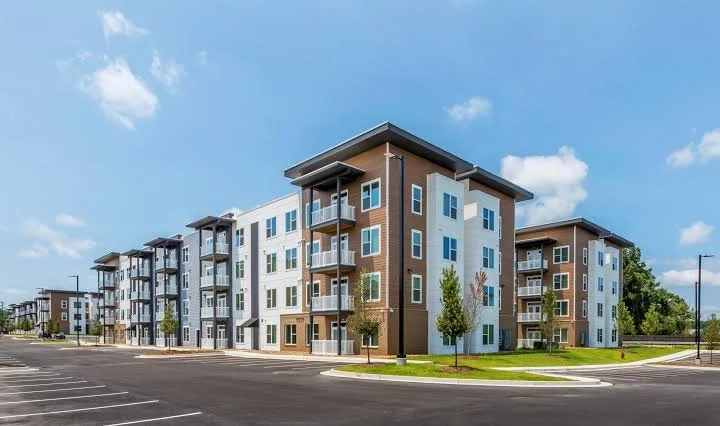
The Beacon, Student Housing in Marietta, Georgia
If you're evaluating a general contractor for a student housing project ahead of the 2027 academic year, some of the most important decisions happen before construction begins. Construction type, building design, and scheduling can all affect the cost, timeline, and feasibility of the project.
For student housing, there's one factor that makes the schedule especially important: the move-in date is tied to the academic calendar. Here's what to consider when evaluating your project and potential GC.
What construction type works best for student housing?
For many garden-style student housing projects in the Southeast, Type III construction is a practical choice. It typically combines wood framing with a noncombustible exterior or lower-level structure and can support the low-rise, three- and four-story buildings common in this type of development.
The appeal is largely a balance of cost, density, and construction efficiency. Wood framing can be more cost-effective than a fully steel or concrete structure while still allowing developers to create the bedroom counts, common areas, and amenities student housing requires.
The allowable height and number of stories for a Type III building depend on the applicable building code, occupancy, construction details, and other project-specific factors. Podium construction can provide another option when a project needs additional height or density, using a concrete or steel base with wood framing above it.
For developers, these decisions have a direct impact on the overall project. The structural system affects how many units can fit on a site, the cost per unit, and how the building will be constructed.
It also affects the schedule. Wood framing can move quickly once work is underway, but the project still depends on a carefully sequenced series of trades, including framing, sheathing, roofing, MEP rough-ins, and finishes. That makes construction type an important part of the schedule conversation from the beginning.
Why does garden-style construction suit student housing in the Southeast?
Garden-style apartments are low-rise buildings arranged across a larger site rather than stacked into a single high-rise structure. This approach can work particularly well for student housing in the Southeast, where development sites near many college campuses offer more room for low-rise communities.
The format also gives developers flexibility in how they use the site. Three- and four-story buildings can provide a relatively high number of units without requiring a high-rise structure, while shared outdoor spaces and community amenities can be incorporated throughout the property.
Garden-style construction can also support phased development. Individual buildings can be constructed and completed in sequence instead of requiring the entire community to reach completion at once.
That flexibility can be especially valuable in student housing. When the project schedule is tied to a specific academic year, phasing can give the development team more options for managing construction and turnover. It also makes coordination between the GC, subcontractors, and owner particularly important.
How does the academic calendar affect the construction schedule?
Student housing has a deadline that is difficult to move: the start of the academic year. Missing the target handover date can mean more than an internal schedule adjustment. It can affect student move-ins, leasing, operations, and the developer's bottom line.
That's why student housing construction needs to be scheduled backward from the required occupancy date. The GC needs to account for every major phase of construction while leaving enough contingency for weather, material delays, labor availability, inspections, and other issues that can affect the timeline.
This is where experience matters. A contractor may have a strong track record of completing multifamily projects on schedule, but student housing requires a different level of schedule discipline when hundreds of residents are expected to move in around the same time.
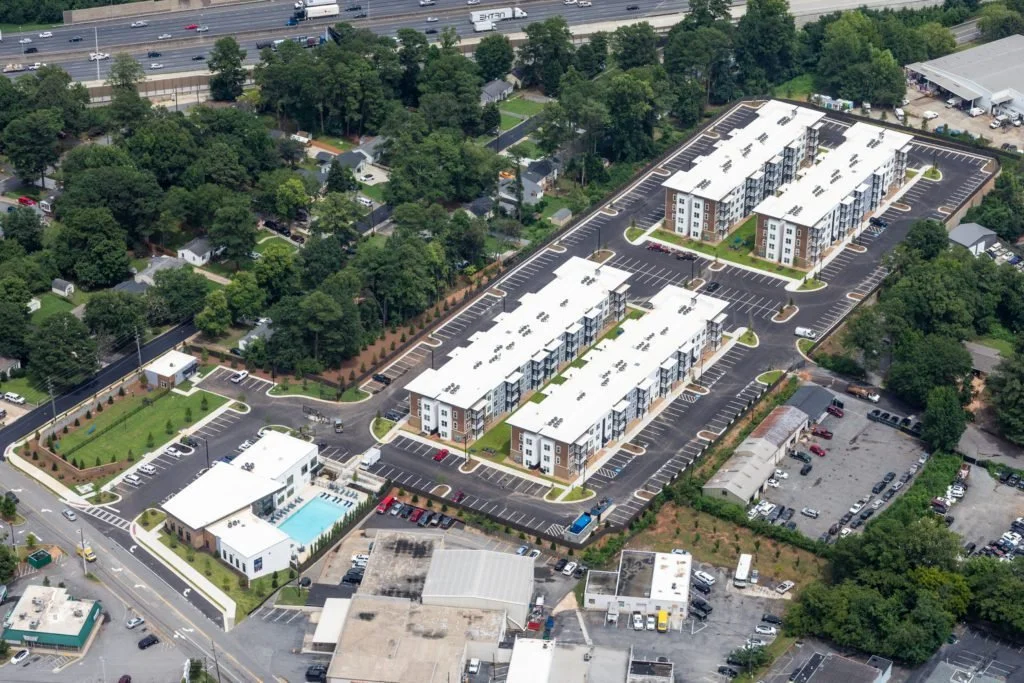
TuckerCraft has experience working within these constraints. See how The Beacon, a Type III garden-style student housing project in Marietta, held its academic-year handover date.
What should you look for in a student housing builder?
When evaluating a GC for student housing, look beyond general multifamily experience. A contractor should understand the construction type, building design, and scheduling demands of the project, as well as what it takes to coordinate them under a fixed deadline.
Before signing a contract, consider these four areas:
Licensing in the states where you plan to build. A GC licensed in Georgia isn't automatically licensed to work in other Southeast states. If you're considering a regional project, verify the contractor's licensing in each state where work will take place.
Experience with fixed-deadline projects. Ask how the contractor has handled schedule risks on previous projects. Finishing a project on time is useful to know, but understanding how a GC responds when a project starts falling behind can tell you much more.
Scheduling and trade coordination. Student housing requires close coordination between framing, building envelope work, MEP rough-ins, finishes, inspections, and other trades. Ask who manages the schedule and how potential conflicts or delays are addressed.
Building science expertise. Credentials such as EarthCraft certification can demonstrate experience with construction quality, energy efficiency, and long-term building performance in addition to schedule management.
TuckerCraft is a Georgia-based, employee-owned multifamily builder licensed across seven Southeast states, with experience delivering Type III garden-style student housing on academic-year timelines. Talk to our team about an upcoming project.
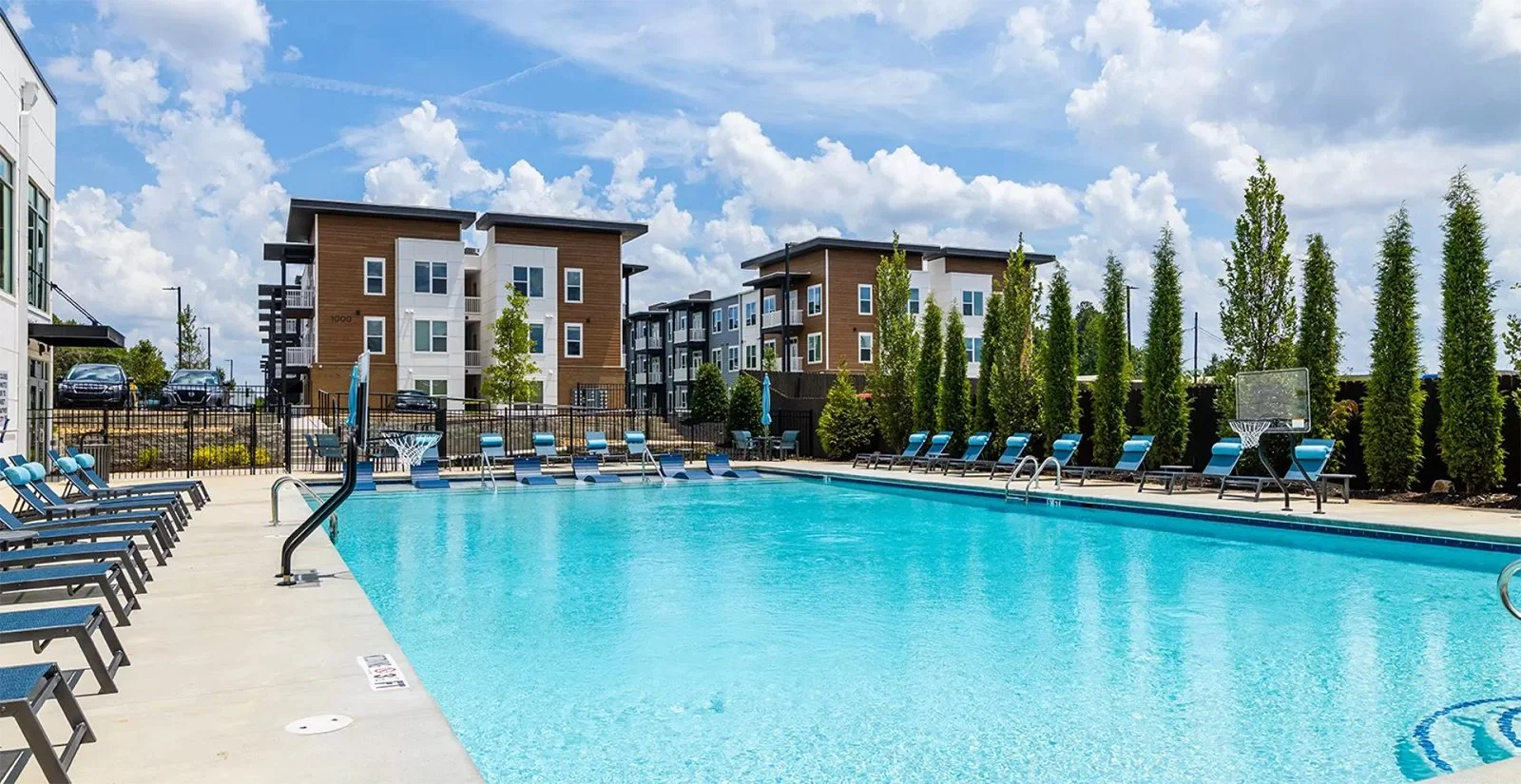
The Beacon - Apartments near Kennesaw State University
Common questions about student housing construction:
How many stories can Type III student housing construction reach?
The allowable height and number of stories for Type III construction depend on the applicable building code and the specific design of the project. Podium construction, which combines a concrete or steel base with wood framing above it, can provide an option for projects that need additional height or density.
Can student housing be built in phases?
Yes. Garden-style student housing can often be constructed in phases, with individual buildings completed and turned over at different points in the project. The feasibility of phasing depends on the site, project design, financing, and construction schedule.
Why does the academic calendar matter more for student housing than other multifamily construction?
Student housing typically has a much less flexible move-in window because residents are preparing for the start of a school term. A construction delay can therefore affect leasing, resident move-in, and property operations. Working backward from the required handover date is essential.
What states is TuckerCraft licensed to build student housing in?
TuckerCraft holds licensing across seven Southeast states: Georgia, Alabama, Tennessee, Florida, South Carolina, North Carolina, and Virginia.
Start the conversation now
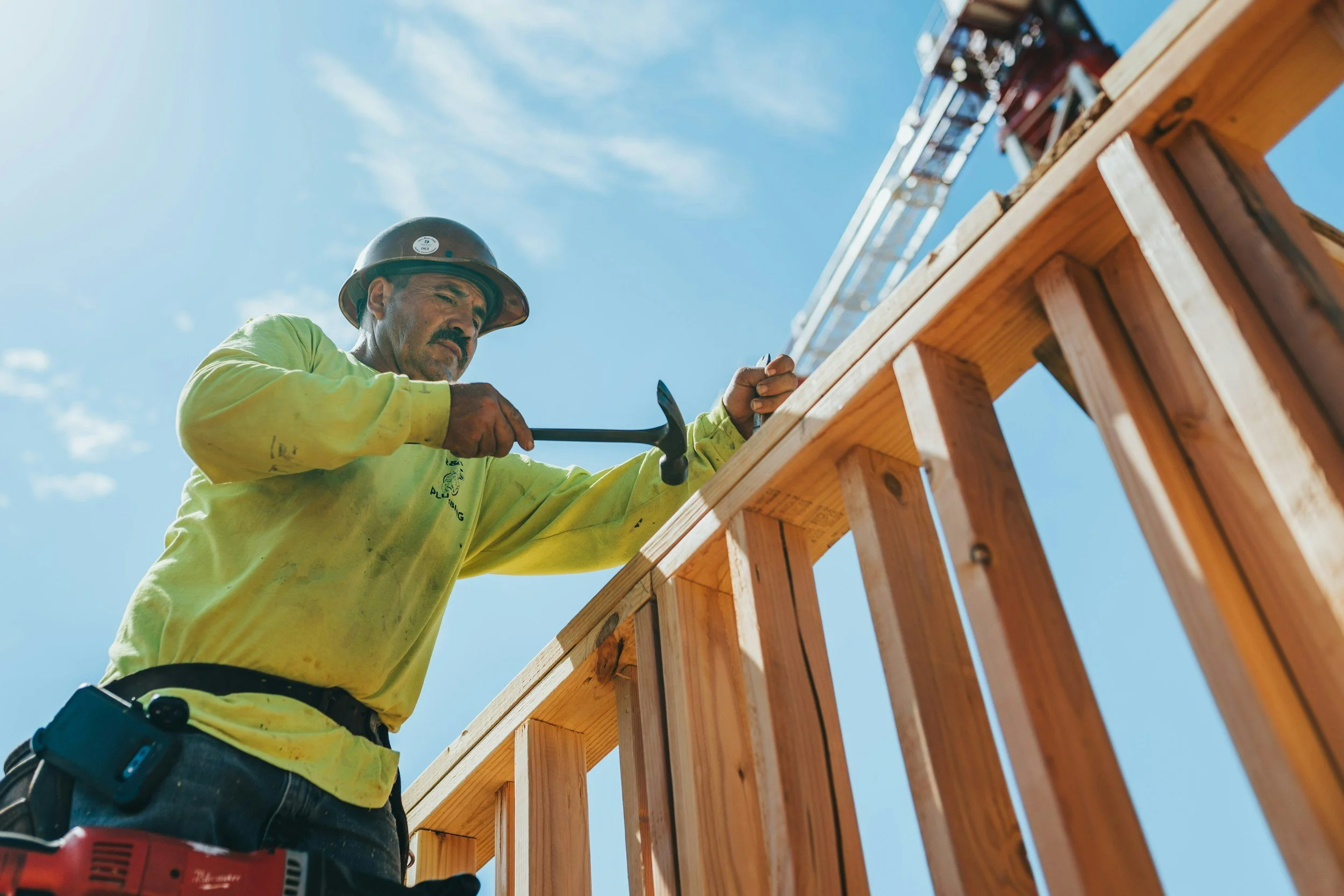
Reviewed by Danny Jordan, EarthCraft Certified Builder and licensed general contractor.
TuckerCraft is a multifamily construction company headquartered in Marietta, GA, serving developers and property owners across the Southeast since 2004. Learn more at tuckercraft.com.